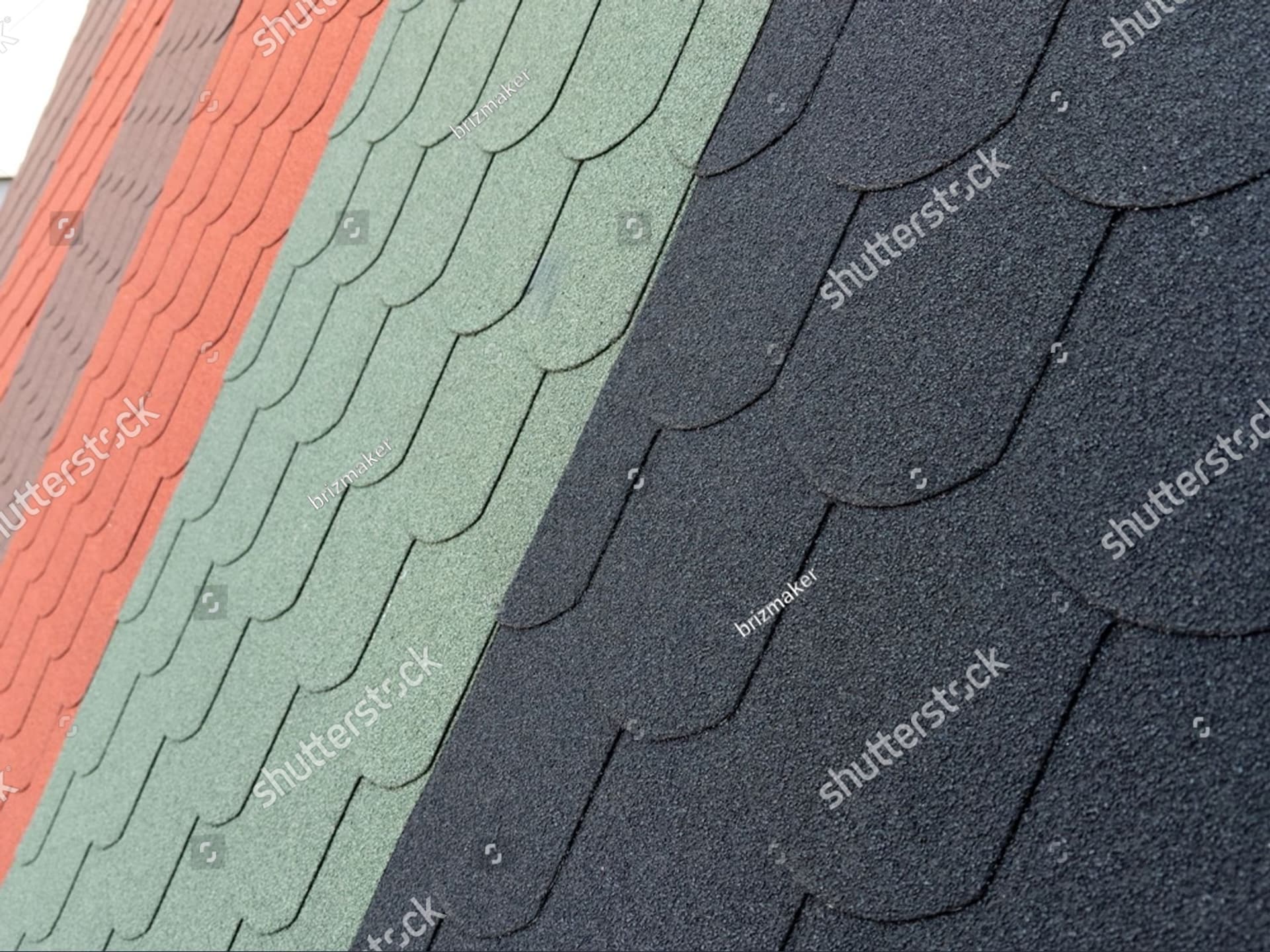
Want to help extend the life of an existing roof without undergoing a full roof replacement? Roof coatings provide a faster and less demanding way to strengthen a roofing system without entirely removing it, making it an attractive option for budget-minded customers. While each of the two main types of roof coating—acrylic and silicone—has unique advantages, either is an excellent solution for restoring an old roof.
Acrylic coatings can be used for various roofing systems, including EPDM, metal, modified bitumen, and built-up roofs. Silicone coatings also come in handy for a range of roofs, including EPDM, metal, modified bitumen, and spray polyurethane foam.
Here is everything you need to know about choosing and overseeing a roof coating restoration.
Silicone Vs. Acrylic Roof Coating
Durability
Roof coatings can effectively withstand the natural elements, helping to extend the life of your roof. When compared side by side, silicone coatings have higher durability. Silicone isn't as stiff as acrylic, so it's not as brittle. This is why silicone coating performs better in extreme temperatures—its flexibility allows it to withstand movement, which reduces the likelihood of cracks and roof leaks.
Due to the hardness of acrylic roofs, they require immediate repair once a crack occurs. However, in normal weather, both silicone and acrylic coatings have similar lifespans, with silicone lasting a bit longer. TEST CHANGES
Cost
Silicone coatings come at a more premium cost than acrylic coatings. Customers can expect to pay anywhere between two to three times as much for this material.
The material isn't the only thing that impacts the pricing. Installing acrylic coatings is more straightforward since it doesn't require a sprayer or roller. Efficient coatings such as United Coatings™ Roofshield® can be installed quickly with just one coat. Silicone coatings aren't much harder to install, but they can require more specialized training with spray equipment.
If a customer wants a quick or cheaper installation, choosing an acrylic coating can help you provide a better service.
UV Protection
UV rays can cause a roof to degrade over a certain period of time. The added weather-resistant capabilities of silicone coatings like the United Coatings™ Unisil HS II can reduce heat absorption and reflect most harmful ultraviolet rays. Acrylic roof coatings are also an effective countermeasure against UV rays, but they are not as efficient as silicone roof coatings.
Either of these two types reflects UV rays quite well, leading to a more efficient roof that lowers energy bill costs and helps maintain a cool temperature. Over the long run, however, silicone roof coatings offer superior performance against damaging sun rays.
Water Buildup
Acrylic coatings provide less resistance to standing water. Due to their waterborne materials, they can easily break down when dealing with water buildup.
They're an excellent solution when coating steep-slope roofs like gable roofs, since water and snow easily flow away but should be avoided when working on a flat roof. Silicone coatings provide excellent protection against standing water regardless of the roof slope.
Environmental Friendliness
The water-based materials in acrylic coatings cause it to break down against standing water—yet that's also one of the reasons it's considered to be more environmentally friendly.
Silicone coatings aren't too far behind when it comes to being green. However, where acrylic coatings use water, silicone coatings use chemical solvents. Acrylic also has many fewer volatile organic compounds (VOCs) than silicone.
For buildings with a lot of occupants like hospitals or schools, low VOC compounds might be a preferable option for customers.
Which Roof Coating Is Better?
There is no set answer for which type is better than the other. Both coating types help increase energy efficiency and boost the lifespan of a roof; it all comes down to a building's individual circumstances. For flat roofs where water buildup might be an issue, silicone coatings are a great choice. On the other hand, if budget is a top priority, acrylic coatings provide a less expensive alternative. They're also easier and quicker to install. Consider the type and style of your roof as well as your own preferences to make the right choice and protect your home for the long run.
Need help choosing the right one for your customer? Contact us to get in touch with one of our experts to find the perfect solution for you and your clients.
